

custom size bathroom mirror
Understanding the Micrometer Standard Set A micrometer standard set is an essential tool in precision measurement, widely used across various industries including manufacturing, engineering, and scientific research. This set typically consists of a micrometer gauge and a series of standard blocks or gauge blocks, each with specific, known dimensions. The primary purpose of a micrometer standard set is to ensure accuracy and consistency in measurements taken by micrometers, which are instruments designed to measure small distances with high precision. The Importance of Precision Measurement In today's competitive industrial landscape, precision measurement has become increasingly crucial. Even minute discrepancies in measurements can lead to significant issues in product quality and performance. The micrometer, with its capability to measure to the nearest thousandth of a millimeter, or even finer depending on the model, has become a staple in achieving high levels of accuracy in various applications. Components of a Micrometer Standard Set A typical micrometer standard set includes different types of micrometers, such as outside micrometers, inside micrometers, and depth micrometers. Each type is designed for specific measurement tasks. For instance, outside micrometers are used to measure external dimensions of an object, while inside micrometers measure internal dimensions. In addition to the micrometers themselves, the standard set also comes equipped with various gauge blocks. These blocks are calibrated to exact measurements and serve as references for verifying the accuracy of the micrometers. The calibration process involves testing the micrometers against these known standards to ensure they provide accurate readings. Having a reliable set of standards is crucial for maintaining quality control in production processes. Calibration and Maintenance micrometer standard set Regular calibration of micrometer instruments using the standard set ensures that they remain in optimal working condition. Calibration involves checking the micrometer against the standard blocks and making necessary adjustments. This process can typically be performed manually or through automated systems, depending on the technology available. Proper maintenance of both the micrometer and the standard set is essential for longevity and accuracy. Users should keep the tools clean, store them in protective cases to avoid damage, and periodically check their performance. Environmental factors such as temperature and humidity can also affect measurements, so they should be conducted in controlled settings whenever possible. Applications Across Industries Micrometer standard sets find applications in various fields. In the automotive industry, for example, they are used to ensure that components such as gears, bearings, and shafts fit together correctly and operate efficiently. In aerospace manufacturing, precision measurements of critical components are vital to ensure safety and performance standards are met. In the field of science and research, micrometer measurements are invaluable for experiments that require high precision, such as in the fields of materials science and nanotechnology. The ability to measure small distances accurately allows researchers to investigate the properties of materials at microscopic levels, leading to advancements in technology and innovation. Conclusion In conclusion, a micrometer standard set is a vital instrument for achieving accuracy and reliability in precision measurement. It combines the use of micrometers with standardized gauge blocks to ensure that measurements are correct and consistent. As precision becomes increasingly important across various sectors, the role of micrometer standard sets in maintaining quality standards cannot be overstated. Investing in high-quality micrometer standard sets and ensuring regular calibration can significantly impact the efficiency and reliability of production processes and research outcomes.
about
custom size bathroom mirror
Understanding Standard Thread Gauges A Comprehensive Overview Thread gauges are essential tools used in various industries to measure and verify the dimensions and characteristics of threads on fasteners such as screws, bolts, and nuts. Among the many types of thread gauges, the standard thread gauge plays a crucial role in ensuring consistency and accuracy in thread measurements. This article explores what standard thread gauges are, their significance, types, applications, and maintenance tips. What is a Standard Thread Gauge? A standard thread gauge is a measuring instrument specifically designed to check the pitch, diameter, and profile of threads against established standards. These gauges help ensure that threaded components fit together correctly, which is vital in maintaining the integrity and functionality of mechanical assemblies. The standards typically adhere to guidelines set forth by organizations such as the American National Standards Institute (ANSI), International Organization for Standardization (ISO), and others. Importance of Standard Thread Gauges The significance of standard thread gauges cannot be overstated. In manufacturing and engineering, precise measurements are critical. Incorrect thread dimensions can lead to improper fitment, which may result in component failure, safety hazards, and costly downtime. By using standard thread gauges, technicians and quality control professionals can ensure that threads meet specified requirements and thus maintain the reliability of their products. Types of Standard Thread Gauges There are several types of standard thread gauges, each serving a specific purpose 1. Plug Gauges These gauges measure the internal threads of holes and are designed to fit into the thread. They often come in two forms GO and NO-GO gauges. The GO gauge should fit easily, while the NO-GO gauge should not fit, ensuring that the internal threads are within acceptable tolerances. 2. Ring Gauges These measure external threads and serve a similar purpose as plug gauges. Users can determine if the external threads of a bolt or screw are within specifications by attempting to fit the threaded component into the gauge. 3. Thread Pitch Gauges Used to measure the pitch (the distance between threads) of both internal and external threads, these gauges come as a series of blades with various pitch sizes marked on them. Users can identify the pitch by matching the blade to the threads. 4. Calibrated Measuring Tools Some engineers prefer calipers or micrometers calibrated for threads. These tools can provide detailed measurements of thread depth, diameter, and pitch, giving a more comprehensive view of the threading. Applications of Standard Thread Gauges standard thread gauge Standard thread gauges find applications in various fields including 1. Manufacturing In factories where precision parts are produced, thread gauges ensure that threaded components meet specified requirements before assembly, thereby preventing quality control issues. 2. Automotive and Aerospace The automotive and aerospace industries rely heavily on threaded components, and any failure in these areas can have catastrophic results. Thread gauges are critical in ensuring that all fasteners are correctly sized and fitted. 3. Construction In construction projects, proper fastening is essential to structural integrity. Standard thread gauges verify that anchor bolts and other fasteners meet safety standards. 4. Maintenance and Repair Technicians involved in maintenance and repair work use thread gauges to assess the condition of existing threaded components, which is crucial for making informed decisions on replacements or repairs. Maintenance of Thread Gauges To ensure lasting performance, standard thread gauges require proper maintenance 1. Cleaning Regular cleaning is essential to remove contaminants that could affect measurement accuracy. Use appropriate cleaning solutions that do not damage the gauge material. 2. Calibration Routine calibration is crucial to maintain measurement accuracy. Follow the manufacturer's guidelines for calibration intervals and procedures. 3. Storage Store thread gauges in a clean, dry environment, away from potential sources of damage. Use protective cases or racks to prevent physical damage. Conclusion In conclusion, standard thread gauges are indispensable tools in ensuring the quality and safety of threaded components across various industries. Their ability to guarantee that threads meet established standards is invaluable in manufacturing, automotive, aerospace, construction, and maintenance sectors. By understanding their types, applications, and maintenance, professionals can utilize these tools effectively, enhancing the reliability of their projects and ensuring operational excellence.
-

High quality industrial productsagement

High quality industrial products
View Details -

Meet the diverse needs of customers

Meet the diverse needs of customers
View Details -

Strict quality control

Strict quality control
View Details -

Top raw materials

Top raw materials
View Details -

Trusted supplier

Trusted supplier
View Details
Our application



news and information

Valve anti - retour Baron
Le Vanne à Boule Un Dispositif Essentiel pour la Sécurité des Systèmes Hydraulique La vanne à boule
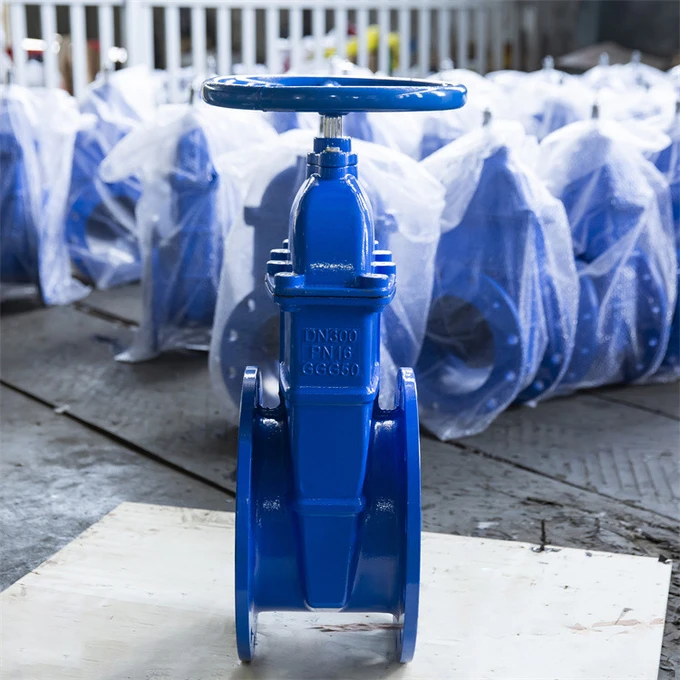
Versatile Clamps for Welding Tables to Enhance Your Fabrication Projects
welding table clamps 5 8
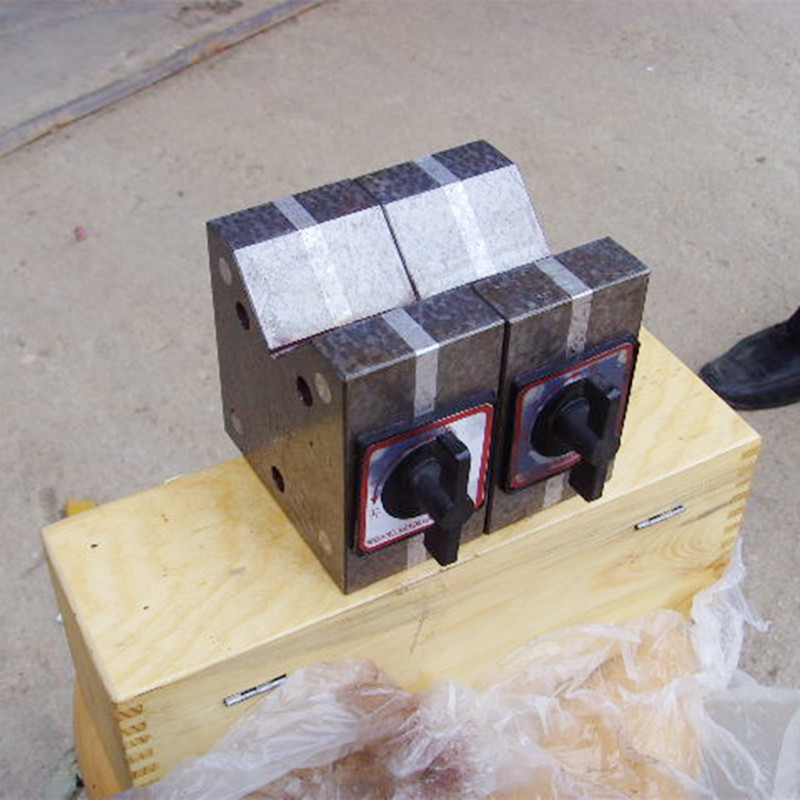
y strainer pn16
Understanding Y-Strainers and Their Importance in PN16 Applications In industrial applications, flui
 English